01
OSHA-Referenced
Our safety program is grounded in applicable OSHA construction requirements and supplemented by project-specific, manufacturer and contractual requirements where they apply.

Safety • Health • Environmental
At Elevated Solutions Team, safety planning is built into how we approach commercial mechanical work—from pre-task planning and hazardous-energy control through equipment handling, occupied-facility coordination, startup and project turnover.
Our safety program is grounded in applicable OSHA construction requirements and supplemented by project-specific, manufacturer and contractual requirements where they apply.
We connect safety planning to actual field conditions through pre-task planning, hazard recognition, safeguard verification and reassessment when conditions change.
Our program is built around the mechanical work we perform—HVAC, hydronic piping, sheet metal, rigging, equipment replacement, occupied facilities, startup and turnover.
Plan the work. Verify the safeguards. Stop when conditions change.
Safety Through the Work
Mechanical construction creates changing conditions across access, shutdowns, stored energy, lifting, hot work, installation, testing and startup. We build safety planning into the work itself so field conditions, mechanical scope and required safeguards are considered together as the project progresses.
Our teams review the planned operation, work area, access conditions, adjacent activity, applicable requirements and material risks before the work proceeds.
We verify that the safeguards required for the planned work are understood and in place before the affected operation proceeds.
Our field teams remain responsible for changing conditions, adjacent operations, equipment movement, public exposure and mechanical-system hazards while the work is underway.
When conditions change or a required safeguard is no longer effective, we stop and reassess the affected work before proceeding.
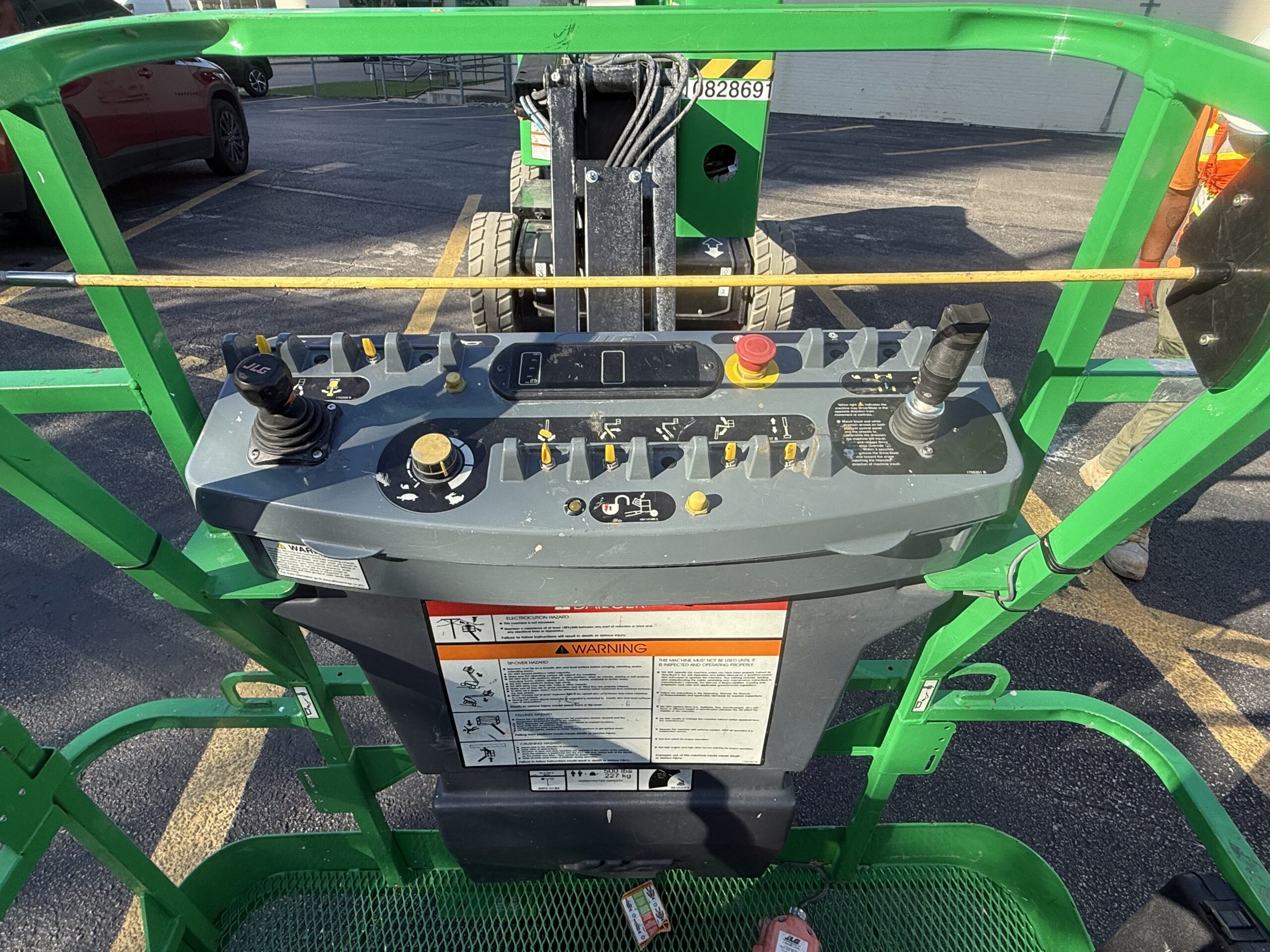
Safety in the Field
Mechanical work at elevation requires appropriate access equipment, trained operators, awareness of surrounding conditions and compliance with applicable project and manufacturer requirements. That is how we connect company safety expectations to the conditions our crews actually encounter in the field.
Mechanical Risk Control
Our safety program is built around the conditions we encounter in commercial HVAC, hydronic piping, sheet metal, equipment replacement and facility-renewal work.
Before work begins, our teams establish a common understanding of the planned operation, material hazards, required safeguards and the conditions that would require reassessment.
Review the Safety Program →Mechanical work can involve electrical, hydraulic, pneumatic, thermal, pressure, gravity and other stored energy. We coordinate hazardous-energy controls around the actual system, equipment and assigned work.
HVAC Equipment Replacement →Our equipment-handling planning accounts for the actual equipment, site access, surrounding conditions, lifting requirements and work-area controls applicable to the project.
View Field Work →We approach welding, brazing, cutting, hydronic work, pressure systems and line-breaking activities as mechanical operations that require project-specific planning and appropriate controls.
Hydronic Piping & Mechanical Rooms →We coordinate work zones, access, shutdown impacts, overhead work, material movement and other project interfaces around facility operations and third-party exposure.
JOC & Facility Renewal →We coordinate startup, testing and turnover around equipment readiness, personnel exposure, connected systems, communication and the project requirements governing return to operation.
Mechanical Resources →Stop Work Authority
On our work, every worker has Stop Work Authority when a condition or activity cannot be performed safely.
Occupied & Operating Facilities
Existing facilities create interfaces that do not exist on an empty construction site. Our teams plan mechanical work around occupants, egress, building systems, shutdown requirements, adjacent trades and the facility’s required operating condition.
Commercial Mechanical Scope
Our safety program is structured around the systems and operating conditions we encounter in commercial, institutional and public-sector mechanical work.
Chillers, boilers, RTUs, AHUs, pumps, refrigeration interfaces, equipment handling and startup.
Explore Commercial HVAC → WatersideChilled water, heating water, pumps, valves, line breaking, pressure systems and equipment interfaces.
Explore Hydronic Piping → AirsideDuctwork, sharp-edge exposure, overhead installation, equipment transitions, access and material handling.
Explore Sheet Metal → Existing FacilitiesOccupied work, shutdowns, phasing, public interfaces, recurring task orders, documentation and controlled turnover.
Explore JOC & Facility Renewal →Elevated Solutions Team • Public Web Edition
Mechanical Construction Operations
Revision 1.1
Effective September 28, 2026
Elevated Solutions Team
Dallas, Texas
Texas HVAC License: TACLA124593C
Plan the work. Verify the safeguards.
Stop when conditions change.
Company Safety Baseline
The EST Public Safety Manual explains the company-level framework we use to support mechanical construction operations while keeping project-specific plans, personnel records and controlled internal documentation protected.
Elevated Solutions Team • Qualification & Verification
Review Elevated Solutions Team’s licensing, business credentials, public safety program and representative commercial mechanical project experience as part of your contractor qualification and project review.
Texas Licensing
Use the official Texas Department of Licensing and Regulation record to verify our air-conditioning and refrigeration contractor license.
Verify with TDLR →Company Qualifications
Review our business credentials, procurement qualifications and commercial mechanical company information.
Review Credentials →Field Evidence
Review representative field work across equipment replacement, hydronic piping, airside systems and commercial mechanical project delivery.
View Project Experience →Start a Commercial Mechanical Project
Share the plans, specifications, equipment schedules, field photos or existing-condition information available for the project. Our team can review commercial HVAC, hydronic piping, sheet metal, equipment replacement, JOC and facility-renewal opportunities.