
Commercial HVAC • Controls Coordination
Controls and BAS Coordination During Commercial HVAC Equipment Replacement
Replacing commercial HVAC equipment requires more than reconnecting power, ductwork and piping. The replacement equipment must also fit the facility’s operating intent, controls relationships and building automation requirements before the completed system is ready for normal use.
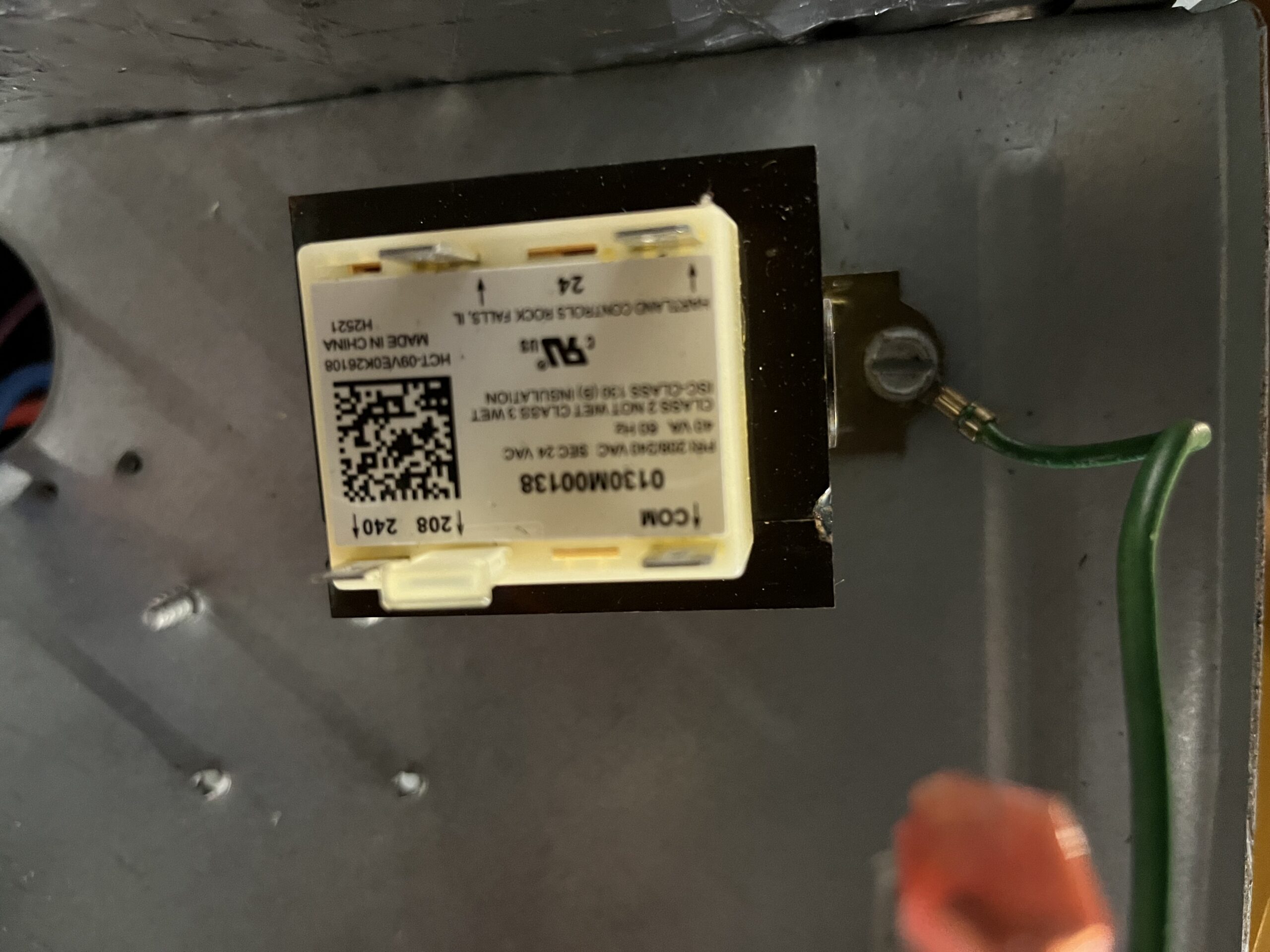
Existing-System Review
Establish How the Existing System Is Intended to Operate
Before defining the replacement controls interface, the project team should understand both the documented operating intent and the way the facility is actually operating today.
Existing buildings can change over time. Equipment may have been modified, controls relationships may have evolved and the current field condition may no longer match older project information.
Current available drawings, sequences and approved project information.
Available building-automation information relevant to the affected equipment.
Applicable equipment documentation and approved replacement requirements.
Facility knowledge about how the affected system currently operates.
Differences between documented and actual operation should be understood before the controls scope and project responsibilities are finalized.
Controls Interface
Define the Controls Interface Before Startup
Controls coordination becomes clearer when owners and project teams can answer four fundamental interface questions.
Detailed point lists, programming methods, wiring approaches and checkout procedures remain project-specific.
Controls Responsibility
Separate Factory Equipment Controls From Facility BAS Responsibilities
Replacement equipment may arrive with its own manufacturer controls while the building automation system remains responsible for broader facility-level monitoring or supervisory operation.
Factory Equipment Controls
Manufacturer-provided controls generally manage functions internal to the equipment and support the equipment’s required operating and protective functions.
The exact capabilities depend on the equipment and approved manufacturer configuration.
Facility Building Automation System
The facility BAS may provide supervisory commands, monitoring, alarms, scheduling or system-level relationships required by the owner and project.
Actual BAS responsibilities depend on the facility, project documents and assigned controls scope.
BAS Integration
Confirm the Required BAS Integration Scope
A communication interface or BACnet capability does not by itself define the completed controls scope.
Integration planning should confirm communication compatibility, the information the facility needs to exchange with the equipment, applicable owner standards, any required facility-facing alarms or graphics, and which project party is responsible for final integration and verification.
Project requirements still determine what information has to move between the replacement equipment and the building automation system and who is responsible for making that interface operational.
ASHRAE provides educational information on HVAC and building-control systems through its Building Controls resources .
For independent educational information about BACnet and building automation, review The BACnet Institute .
Pre-Installation Coordination
Reconcile Equipment, Electrical and Controls Requirements Before Installation
Controls problems are easier to prevent when the approved equipment requirements, electrical interfaces, controls submittals and operating sequence are reconciled before installation.
The project team should understand the required interfaces and assigned responsibilities before the equipment reaches startup.
Coordinate the Interface Before It Becomes a Startup Problem
Equipment, electrical and controls requirements should support the same approved operating intent. The specific devices, wiring, programming and implementation remain governed by the project and responsible controls provider.
High-Level Project View
Coordinate the Controls Work Around Five Project Phases
A broad phase view helps facility teams understand where controls coordination fits without turning the article into a programming or checkout procedure.
Understand current operating intent and relevant field conditions.
Define the required equipment-to-BAS relationship and responsible project parties.
Complete the approved mechanical, electrical and controls interfaces required by the project.
Confirm that required system responses occur under the project-defined conditions.
Deliver the required controls information to the facility as part of turnover.
Detailed programming, wiring, point mapping and checkout remain governed by the project and assigned controls provider.
Startup Dependency
Required Controls Interfaces Have to Support Startup
Manufacturer startup, mechanical operation and BAS integration can involve different project responsibilities, but they still have to support the operating condition required for the replacement equipment.
The project should therefore coordinate the controls interfaces needed for meaningful startup without assuming that every BAS function must be completed through one universal sequence.
TAB Dependency
TAB Depends on Stable, Controllable System Conditions
Where TAB is required, the relevant equipment and controls must be sufficiently operational for the system to reach the conditions needed for meaningful testing.
For the broader post-installation relationship between startup, TAB and turnover, review Startup, TAB and Mechanical Turnover After Commercial HVAC Equipment Replacement .
Controls Verification
Confirm That the Controls Interface Supports the Approved Operating Intent
Controls verification should establish that the information entering the control system, the approved operating logic, commanded actions and actual equipment response are aligned with the project’s intended operation.
The controls provider, contract requirements and commissioning plan determine the detailed test method, point verification and acceptance criteria.
Existing-Building Conditions
Controls Conditions Can Change During the Life of a Facility
Existing facilities may contain controls relationships that are different from the original project information. Replacement planning should account for those differences without assuming every building follows the same pattern.
Facility changes over time can affect how the system is actually being operated.
Existing relationships may need to be understood before the replacement interface is finalized.
Compatibility, condition and intended use should be determined by the project team.
Available controls information should be considered alongside actual project conditions and operator knowledge.
Controls and operating-condition issues can also become part of a broader facility-renewal decision. EST addresses that lifecycle context through Commercial HVAC Efficiency & Building Modernization .
Occupied Facilities
Coordinate Controls Cutover Around Facility Operations
In an occupied facility, controls work can affect more than the replacement equipment itself. Facility operations, affected spaces, allowable work periods, system continuity and return-to-service expectations may influence when the controls interface can be changed or verified.
Owners and project teams should understand the facility operating requirements and communication responsibilities that apply during the replacement.
Facility Coordination Remains Project-Specific
The actual cutover, temporary operating conditions, owner notifications and controls implementation are governed by the facility and project documents, not a universal public procedure.
For broader occupied-facility project planning, see JOC & Facility Renewal .
Controls Handoff
Close the Controls Scope With Usable Facility Information
Project closeout should identify the controls information the facility needs and which responsible project party is required to provide it.
The exact turnover package remains contract- and project-specific.
Facility-Team Controls Questions
Controls Questions to Resolve During HVAC Equipment Replacement
These are buyer-facing coordination questions rather than a programming or contractor checkout checklist.
Controls & BAS FAQ
Common Questions During Commercial HVAC Equipment Replacement
Does replacement HVAC equipment automatically connect to an existing BAS?
Not necessarily. Equipment capabilities, the existing controls architecture, the required facility interface and assigned project scope all affect how the replacement equipment integrates with the BAS.
What should be understood before defining the replacement controls scope?
The project team should understand the existing operating intent, the controls included with the replacement equipment, the BAS information the facility requires and the project responsibilities associated with those interfaces.
Who is responsible for controls during commercial HVAC replacement?
Responsibility is project-specific. Mechanical, electrical, controls/BAS, equipment manufacturer, TAB and commissioning participants may each have different assigned roles under the governing contract documents.
Does BACnet capability mean the controls integration is complete?
No. Communication capability does not by itself establish what information the facility requires, how the interface is implemented or who is responsible for final integration and verification.
How do controls affect startup and TAB?
Required controls functions must generally be sufficiently available for equipment and systems to reach the operating conditions needed for meaningful startup, testing or balancing. Exact requirements depend on the project and assigned scopes.
Commercial HVAC Project Planning
Replacing Equipment That Has to Integrate With an Existing BAS?
Elevated Solutions Team supports commercial HVAC equipment replacement around the actual facility, including mechanical modifications, controls interfaces, manufacturer startup requirements and project turnover where included in the assigned mechanical scope.
For projects where controls coordination is part of a broader equipment, reliability or lifecycle decision, review Commercial HVAC Efficiency & Building Modernization .